
If flying cars are still a fantasy, that is no longer the case for humanoid robots, which are now an increasingly established reality in our daily lives.
Even though the technology is still recent, it is developing at a rapid pace and more and more players are entering this field, notably massive companies such as Tesla.
Of course, anything new tends to come with a relatively high price tag, and while prices currently run into several thousand euros for most models, this could quickly change over the coming years with the explosive growth of this industry.
Let’s take a look at the different options and pricing structures already available. Mainly, there are two models, either independent of each other or complementary: direct purchase or renting such a robot through a monthly or annual subscription.
Tesla Optimus
Tesla Optimus is not yet available, so it is difficult to assess its performance, but Elon Musk has high expectations for this robot, and Tesla factories are already beginning to reorganize to produce it on a large scale.
Tesla Optimus Robot’s incredible progress after only 2.5 years. pic.twitter.com/ESTXSofJha
— Nic Cruz Patane (@niccruzpatane) December 2, 2025
Although all of its features remain speculative for now, its primary purpose will be to serve as a household assistant capable of performing various tasks within the home.
While an initial price of around $30,000 was first suggested, Elon Musk has stated that he is aiming for a release by late 2026 or even early 2027 at a price below $20,000.
Neo from 1X
The release of Neo is imminent, particularly in the United States. Numerous videos showcasing its various capabilities have already circulated widely online.
It is also designed as a humanoid robot intended to help with everyday household tasks such as doing the dishes, cleaning, carrying groceries, or serving drinks.
Two purchasing options are already available for Neo. The premium option, priced at $20,000, includes a three-year warranty, priority on the order list, and advanced support. The second option is the standard plan, offered as a monthly subscription at $499 per month, providing the basic Neo robot package.
Atlas from Boston Dynamics
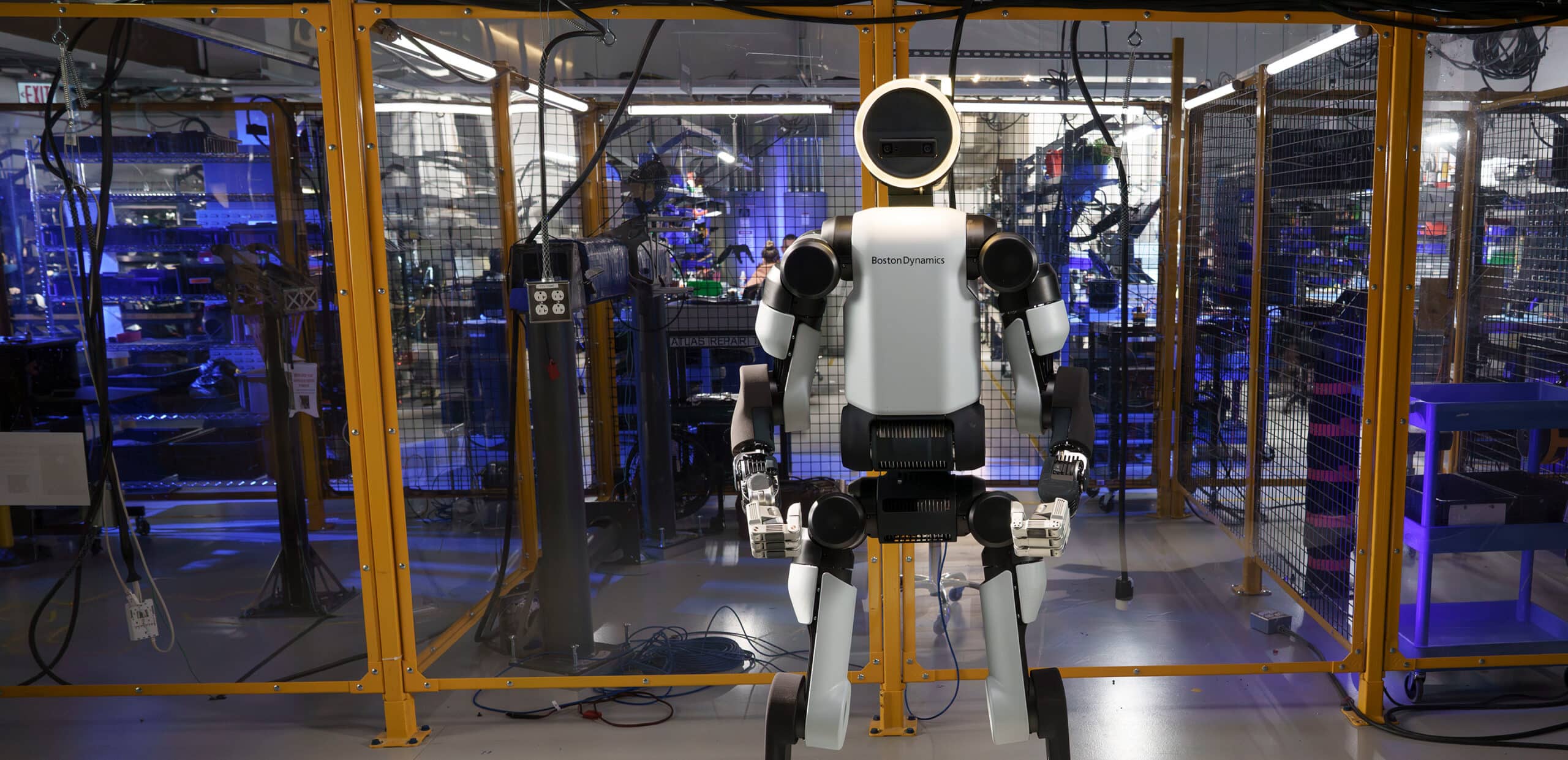
Boston Dynamics no longer needs an introduction in the robotics sector. Recognized for years, its robotic dog model is already a success, notably used in rescue missions as well as in certain specific industries where it is not always easy for a human to venture into confined environments. YouTubers have also widely used this robot in various concepts over the years.
However, today the one that interests us is Boston Dynamics’ humanoid robot, Atlas. It features a two-legged design and, as the brand often does, it will initially be intended for professional use. Although not all of its specifications are yet known, it will be able to serve in numerous industrial tasks, particularly by specifically learning over time to carry out requested needs with precision.
As for the price, since Boston Dynamics is a company primarily focused on the professional world, its pricing reflects that positioning. Atlas is no exception, as it is expected to cost around $150,000 and be available starting in 2027.
G1 from Unitree
Unitree is a Chinese company that has already developed several robots, similar to Boston Dynamics. This time, it is introducing its humanoid unit, G1.
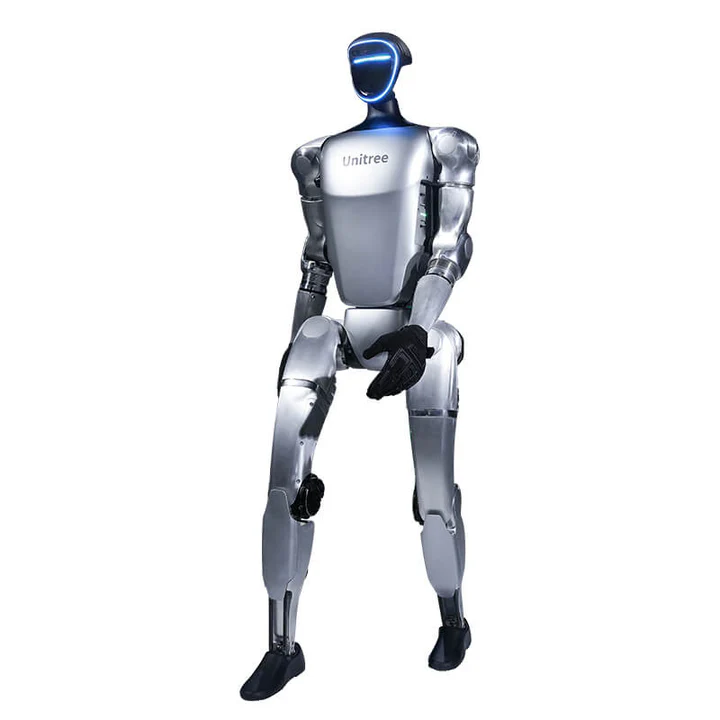
Standing just over 1.3 meters tall and weighing 35 kilograms, this robot is designed to be an all-purpose household product. Whether it’s cleaning, doing the dishes, or handling various household chores, it is meant to provide full assistance, notably thanks to its system offering great dexterity and precision, featuring three fingers.
Already available for sale, it costs at least $13,500 depending on the selected options, not including shipping. It has a battery life of around two hours, which is slightly less than its competitors.
What determines the price of a humanoid robot?
For now, most of these robots cost more than $10,000, which makes them as expensive as a car. There are several reasons for this.
First of all, it is a new and rapidly developing industry, so production volumes remain low. We are only at the beginning, and consequently, smaller quantities mean significantly higher production costs.
In addition to manufacturing costs, these are new technologies that involve substantial development expenses, which are also reflected in the final price of the product.
Finally, the components required to manufacture these humanoid robots are still very expensive and scarce. Likewise, a new industry means there are few optimizations in place to reduce the manufacturing costs of these components, which further increases the final price of these robots.
Of course, if humanoid robots become a standard not only in professional environments but also among private individuals, prices will decrease over time with further advancements and years of development. This is generally the case for any new technology once widespread adoption occurs.
Is it worth buying a humanoid robot right now?
The real question would rather be: do you need one for essential tasks? Indeed, for now, most of these humanoid robots are far from perfect.
The first models will of course work, but like any new technology, it takes time to develop and improve them (compare an iPhone from 15 years ago to one today). Whether in terms of software (notably AI) or hardware (everything physical), there is still significant progress to be made.
All of these robots are now designed to be capable of moving around and offer good dexterity and stability, but their AI will still require further development, as will their ability to perform tasks as quickly as a human would.
Therefore, buying a humanoid robot at this stage is more suited to professionals and industries with very specific tasks to carry out. For private individuals, while these robots may become essential to our daily lives in the more or less near future, for now their price and overall performance make them expensive products aimed primarily at the most curious or those who can afford one.
Beyond purchasing one of these humanoid robots which are, of course, covered by warranties of varying lengths depending on the manufacturer there is still a maintenance cost to take into account.
Indeed, just as it is sometimes necessary to repair a computer or take your car to the garage, some of these new products will require repairs or part replacements over time. This is particularly true when it comes to batteries, which are still far from perfect.
Consequently, you need to consider this factor when buying a humanoid robot. In conclusion, at present these products are mainly reserved for professionals and for individuals who can afford them out of curiosity. We are not yet at the stage of a fully accessible and highly efficient product, but the sector is evolving rapidly, and all of this could change in the coming years.